


Boost Valentine Sales with AI Recommendations
Table of content
Valentine’s Day is more than just a celebration of love. It’s also one of the biggest consumer spending occasions of the year. In the United States alone, Valentine’s Day spending is expected to reach a record $27.5 billion in 2025, with consumers planning to spend an average of about $188.81 per person on gifts and experiences.
This makes it one of the most important seasons for eCommerce businesses to stand out and connect emotionally with their customers, especially as online shopping continues to be a dominant channel during Valentine’s Day. With so many options available, helping buyers quickly find the right gift can make or break a sale.
That’s where AI product recommendations come in. By analyzing customer behavior, preferences, and purchase patterns in real time, AI can suggest the most relevant Valentine’s gifts at the right moment and placement. In this article, we will explore which products perform best, how to recommend them effectively, and where to place these suggestions across your store to maximize conversions during this romantic season.
Why AI-Powered Recommendations Are a Game Changer for Valentine’s Day
Valentine’s Day is one of the most emotionally driven shopping seasons of the year. Shoppers are not just buying products; they are looking for gifts that express love and thoughtfulness. In campaigns we’ve run for brands using Zotasell during Valentine’s Day, we’ve seen firsthand how AI-powered product suggestions helped shoppers feel understood and boosted conversion, especially for last-minute gifts.

1. AI delivers true personalization for emotional gifting
Valentine’s purchases are guided by emotion, which makes personalization essential. AI analyzes customer behavior, including browsing history, previous purchases, buying frequency, and even location, to suggest products that truly match user preferences. Research from McKinsey shows that personalization can deliver 5 to 8 times the return on investment and lift sales by up to 10%, underscoring why personalized gifting resonates better with Valentine’s shoppers.
For example, if a shopper often buys handmade or vegan beauty products, AI can recommend a natural self-care Valentine’s bundle instead of defaulting to chocolates or flowers. These tailored suggestions help customers feel understood, making them more likely to complete their purchase.
2. AI boosts revenue without deep discounting
Rather than relying solely on discounts, AI allows stores to increase revenue through smarter selling. Personalized recommendations match each shopper’s intent, which increases perceived value even if there is no promotion.
Rather than relying solely on discounts, AI allows stores to increase revenue through smarter selling. In one apparel store we supported, switching from static Valentine bundles to AI-powered recommendations helped lift average order value (AOV) by 16% without any additional discounts. Industry data also indicates that stores using personalization strategies see up to 15% higher margins compared to those relying primarily on price reductions.
3. AI outperforms static product blocks
Unlike generic “featured products” or fixed recommendation sections, AI adapts in real time. It learns from seasonal trends, such as couple-based gifting for Valentine’s or self-love products for Galentine’s, to surface the most relevant items at the right time.
Brands that use AI-driven upselling often report significantly higher click-through and conversion rates. In a combined analysis of Valentine’s campaigns across Zotasell merchants, AI recommendations delivered an average 21% lift in click-through rates and a 17% increase in conversion rates compared to static “featured product” blocks.
What Products Should You Recommend with AI?
AI-powered recommendations work best when they combine personalization with strategic upselling. To maximize performance for Valentine’s Day, your product suggestions should reflect emotional intent, budget sensitivity, and buyer behavior. Below are five types of product recommendations to prioritize using AI.
1. Frequently Bought Together Combos
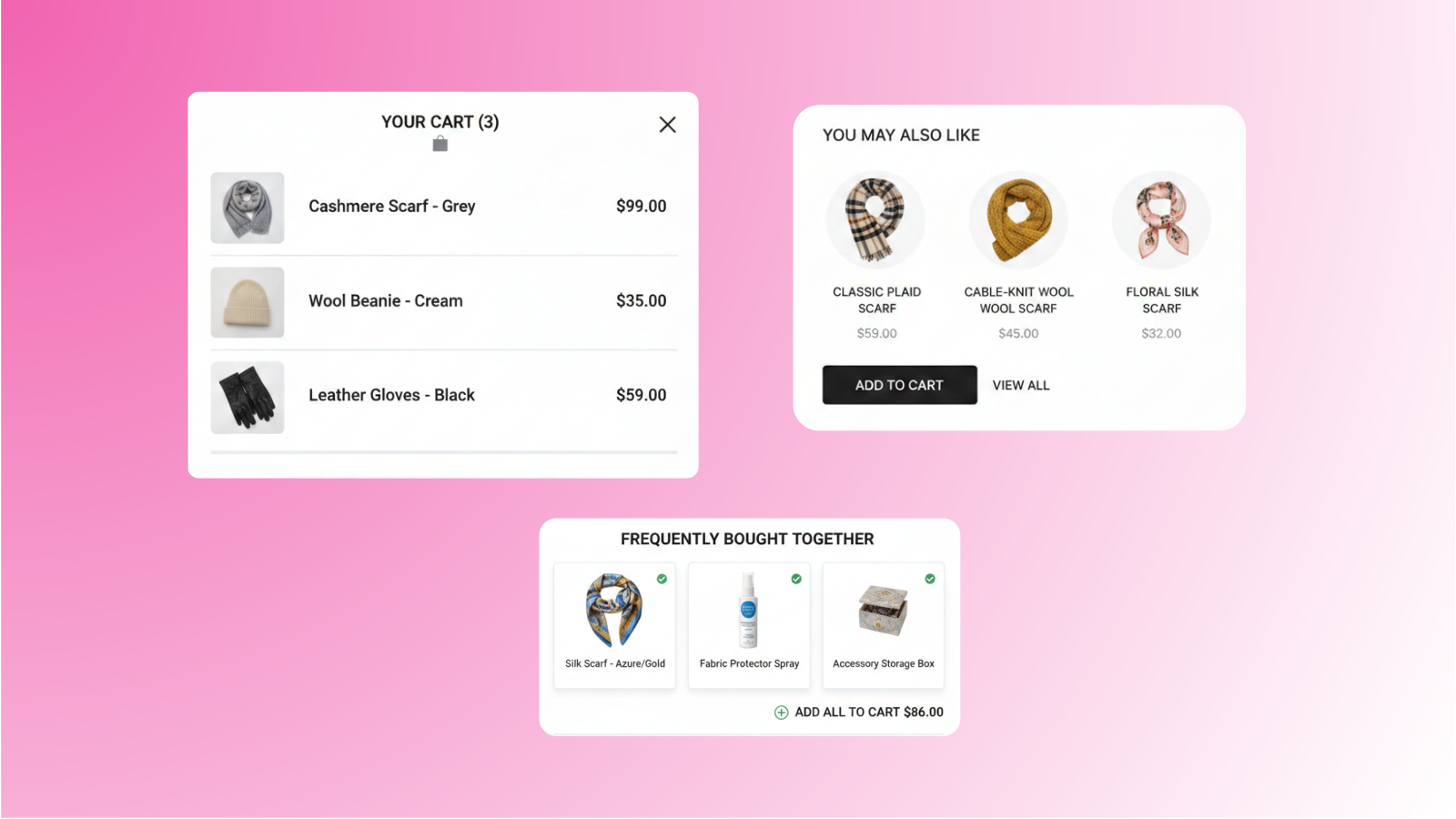
One of the most effective ways to increase average order value (AOV) is by recommending frequently bought together items. AI identifies patterns from past purchases to suggest smart Valentine’s bundles.
Example combos:
- Chocolates, flowers, and a handwritten card
- Teddy bear, photo frame, and a mini scented candle
When we tested this in the cart drawer for a beauty brand on Zotasell, combos like ‘lip balm + card + mini perfume’ had 2x better attach rate and a 14% higher conversion rate compared to unrelated suggestions, helping lift overall average order value. Shoppers felt it saved time while staying thoughtful. AI can dynamically recommend the best combination based on the main product a user is viewing or has added to their cart.
2. Personalized Items
Personalized products turn ordinary gifts into memorable experiences. AI can recommend items with customization options by analyzing past preferences and profile data.
Examples include:
- Mugs engraved with names or initials
- Matching couple rings with special dates
- Handwritten Valentine’s cards with personal messages
You can use AI to tailor these recommendations based on factors like the customer’s gender, relationship type, or past gifting patterns. In a Valentine campaign across three retail sites, personalized gifts had a 27% higher conversion rate compared to generic items. A buyer who previously purchased a romantic gift is likely to respond well to couple-themed personalization.
3. Budget-Based Recommendations
Not every customer has the same budget, especially during seasonal events. AI helps segment users into spending ranges so you can show products they are more likely to purchase.
Examples of pricing tiers:
- Under $20: cute cards, small chocolates, stickers
- $20-$50: combo sets, personalized mugs, candles
- Over $50: jewelry, luxury perfumes, gift boxes
According to the National Retail Federation, 60% of Valentine’s Day shoppers set a budget below $50, making budget-aligned product suggestions a critical tactic to increase conversion. By aligning your recommendations with the user’s budget, you avoid overwhelming them and reduce bounce rates. This leads to more relevant offers and higher engagement.
4. Relationship-Based Suggestions
Valentine’s Day is not just for couples; shoppers buy for partners, friends, family, coworkers, and more. AI can categorize buyers by relationship type using gift history or customer-provided “Gift For” data.
Product suggestions can include:
- Romantic gifts for boyfriends or girlfriends
- Thoughtful gifts for moms, sisters, or best friends
- Friendly gifts for colleagues or classmates
We saw this work well for a handmade gift shop; customers were far more likely to complete their order when presented with ‘Gifts for Mom’ or ‘For Your BFF’ sections right before checkout. The emotional targeting really clicked.
5. Trending and Bestselling Products
Leverage social proof by recommending products that are popular or trending from past Valentine’s campaigns. AI automatically detects which products convert best during the season.
Tactics to implement:
- Use labels like “Top Picks for Valentine’s” or “Most Gifted Last Year.”
- Show real-time popularity badges: “125 bought this week”
- Highlight scarcity: “Only 3 left in stock.”
These strategies trigger trust and FOMO (fear of missing out), encouraging quicker decisions and higher conversion rates. In Adobe’s Digital Economy Index, products with real-time popularity tags saw a 31% increase in click-through rates, confirming the psychological impact of social proof.
Where Should You Display AI Valentine Recommendations?
Strategic placement of AI-powered product suggestions is just as important as the recommendations themselves. By placing upsell offers in key locations across the customer journey, you can increase average order value (AOV), reduce drop-off rates, and improve conversion. Below are five high-performing placements for Valentine’s Day recommendations.
1. Product Page
The product page is where intent is highest; the customer is actively exploring an item. This is a great moment to introduce complementary products that naturally go with what they’re viewing.
How to implement:
- Add a “Complete the Set” section with matching items
- Include “Customers Also Bought” sliders powered by AI
Example:
If a shopper is viewing a scented candle, recommend a handwritten card and a mini chocolate box to create a cozy gift set. These suggestions feel helpful, not pushy, and help increase AOV before the cart phase.
2. Cart Drawer or Cart Page
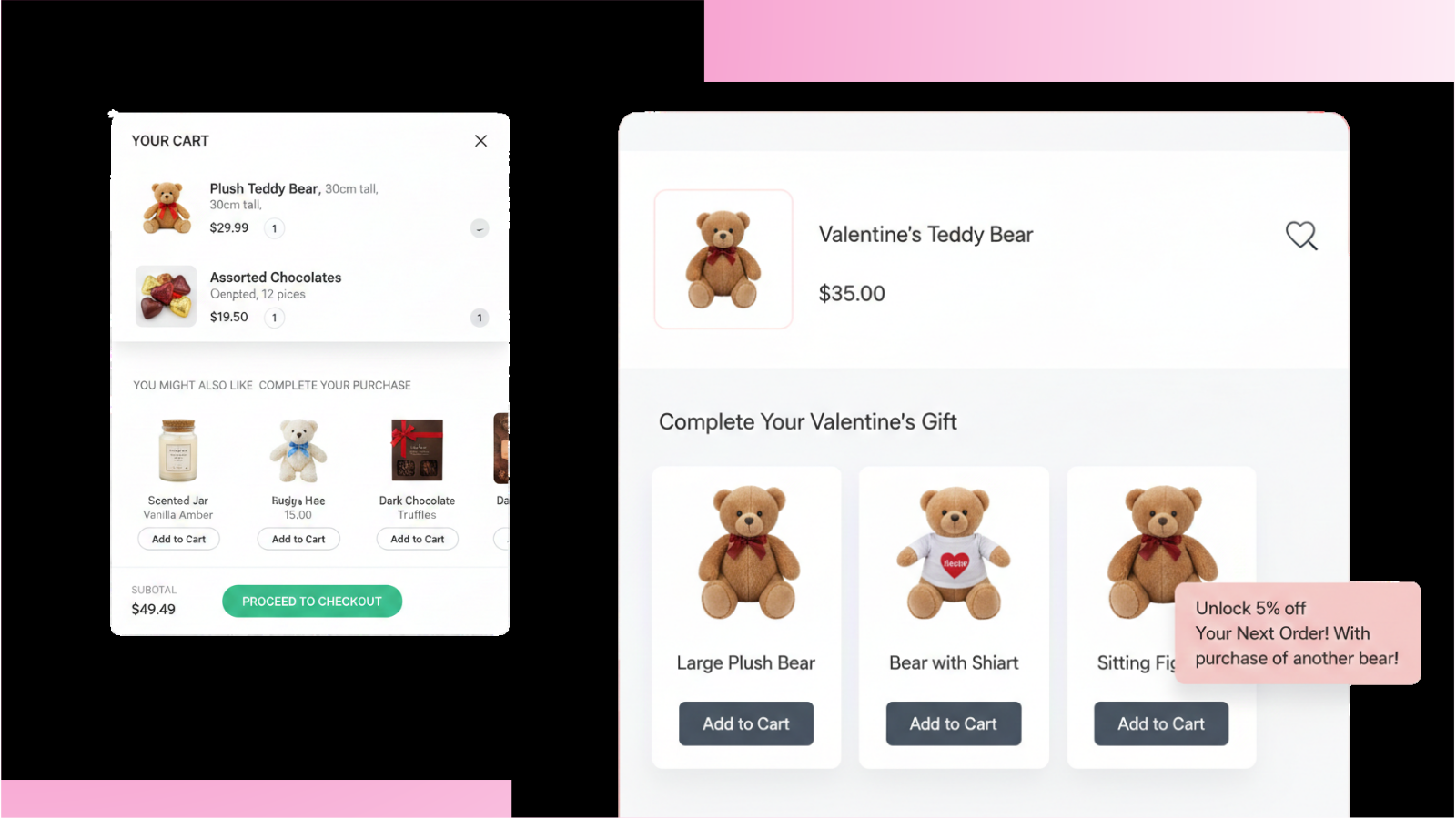
This is the moment when customers are reviewing their selections — a perfect time for subtle upsells that add meaning or polish to their order.
How to implement:
- Use prompts like:
- “Add a romantic card for just $3.”
- “Make it extra special with premium chocolates.”
AI can dynamically recommend items based on what’s already in the cart and past upsell performance. These light-touch offers are highly effective because they appear at a low-friction stage, just before checkout, when the customer is emotionally invested and open to enhancement.
3. Checkout Page
At checkout, your goal is to maintain momentum while encouraging last-minute, low-effort upgrades. These should feel optional and emotionally aligned.
What to recommend:
- Gift wrap options (e.g., $5 with red ribbon and heart-shaped box)
- Custom messages (e.g., handwritten note or printed card)
- Delivery upgrades (e.g., guaranteed delivery by Feb 14)
These micro-upsells are easy to accept and can significantly increase revenue per transaction, especially during seasonal events like Valentine’s Day.
4. Homepage or Valentine’s Landing Page
Early-stage visitors may not have a clear idea of what they want. Your homepage or a dedicated Valentine’s landing page is the perfect place to inspire them with AI-curated gift collections.
How to structure it:
- “Top Picks for Her” or “Gifts Under $30”
- “Valentine’s Bestsellers”
- “For Couples, Friends & Family”
These themed blocks guide shoppers toward relevant categories while showcasing popular or trending products based on AI insights. It sets the tone and reduces decision fatigue.
5. Email or Pop-up Retargeting
Some visitors browse but don’t buy or abandon their carts altogether. AI can identify these behaviors and trigger personalized follow-up messages to recover those lost opportunities.
How to implement:
- Send an email like: “Still thinking about that teddy bear? Add a personalized card to complete the gift!”
- Show a pop-up reminder: “Last chance to get Valentine’s delivery on time, grab our Couple’s Set today.”
AI analyzes product views, carts, and ignored items to deliver tailored content at the right moment, keeping your brand top of mind and guiding customers back to convert.
When Should You Launch AI Product Suggestions for Valentine’s?
Timing plays a crucial role in the success of any Valentine’s Day upsell strategy. With AI-powered recommendations, you can dynamically adapt what you show based on where shoppers are in their decision-making journey. Below is a timeline to help you make the most of every phase in the lead-up to February 14.

1. 14 to 21 Days Before Valentine’s Day: Inspire and Capture Interest
This is the discovery phase, when shoppers are just starting to browse and look for inspiration. Many are not yet ready to buy, but they are gathering ideas, comparing products, and saving their favorites.
What to do during this phase:
- Launch themed product collections such as “Gifts for Her,” “Top 10 Valentine’s Surprises,” or “Best Couple Combos.”
- Use AI to analyze early browsing behavior and begin building user profiles for retargeting.
- Highlight emotional value, aesthetic packaging, and bestsellers to spark early interest.
- Recommend thoughtful combinations like scented candles with love notes or “first date” inspired bundles.
Your goal at this stage is not conversion but engagement. The more time customers spend with your products now, the better AI will perform later when they are ready to buy.
2. 7 to 10 Days Before Valentine’s Day: Maximize Purchase Intent
This is the decision phase. Customers have likely narrowed down their options and are actively looking to make a purchase. This is when AI recommendations can significantly influence what gets added to the cart.
What to focus on:
- Prioritize product availability and delivery deadlines.
- Recommend personalized products such as engraved mugs or custom message cards.
- Use urgency signals like “Last chance for name engraving” or “Ships in time for Valentine’s.”
- Offer bundles that simplify the buying process, making it easy to say yes to a complete gift set.
During this window, AI should surface products that match the shopper’s budget, relationship type, and emotional intent. Conversion rates are typically highest at this point.
3. Final 3 Days Before Valentine’s Day: Target Last-Minute Buyers
As Valentine’s Day approaches, many customers enter panic mode. These last-minute shoppers want quick yet meaningful gift solutions that don’t rely on physical shipping.
What AI can do here:
- Prioritize digital products such as eGift cards, digital love notes, and printable gift messages.
- Highlight items with express or same-day delivery.
- Use real-time behavioral data to recommend instantly accessible products based on cart abandonment or recent browsing.
- Trigger personalized pop-ups, or email flows like “Still need a gift? Deliver love in seconds.”
AI should adapt daily based on what is trending and what is still available. At this stage, responsiveness and convenience are key to capturing last-minute conversions.
How to Deploy AI Product Recommendations Effectively
AI-powered recommendations work best when they are thoughtfully integrated into the shopping journey. While the technology is powerful on its own, the way you implement and present it will determine whether it drives real impact during Valentine’s Day. Below are four best practices to ensure your AI recommendations convert browsers into buyers.

1. Choose a Platform That Supports Real-Time AI Recommendations
To maximize effectiveness, use an eCommerce platform like Zotasell that offers real-time product suggestion capabilities. Real-time AI allows you to:
- Instantly adapt to user behavior such as product views, clicks, and time on page.
- Recommend products based on live stock levels, promotions, or delivery options.
- Personalize suggestions for each shopper using a combination of purchase history, browsing behavior, and demographic data.
Unlike static product blocks, real-time AI ensures that your recommendations stay relevant, especially during fast-paced shopping periods like Valentine’s Day.
2. Run A/B Testing to Optimize Placement and Performance
Not all placements perform equally, and customer behavior can vary widely based on device, time of day, or location. That’s why it’s essential to test different approaches.
What to test:
- Placement: Product page vs. cart drawer vs. checkout page
- Layout: Horizontal carousel vs. vertical list vs. grid view
- Language: “Complete the Look” vs. “Shoppers Also Bought” vs. “Still Looking?”
Track key metrics like click-through rate, add-to-cart rate, and order value to find the combinations that yield the highest ROI. Even small tweaks can lead to significant performance gains.
3. Pair AI with Strategic Upsell Triggers
AI recommendations become even more effective when combined with classic upsell motivators. During Valentine’s Day, emotional urgency and gift-giving psychology play a big role in purchase decisions.
Boost results by combining AI with:
- Urgency triggers such as countdown timers or “only 5 left” messages.
- Bundled offers that group bestsellers or emotional combinations.
- Cart boosters like “Add a gift card for just $3” right before checkout.
These triggers add context and make the upsell feel timely and relevant, rather than random or intrusive.
4. Always Lead with Emotional Value
Valentine’s shopping is emotional, and your AI recommendations should reflect that. While logic (price, shipping speed) influences decisions, emotions (love, surprise, thoughtfulness) drive them.
How to build emotional appeal into your AI strategy:
- Use labels like “Most Gifted,” “Staff Picks for Her,” or “Customer Favorites.”
- Highlight items with emotional impact: personalized products, handwritten cards, or meaningful bundles.
- Tailor copy and visuals to evoke feelings, not just features.
Customers are more likely to respond when they feel the recommendation was thoughtfully selected just for them. That’s where AI shines.
Afterthoughts
AI recommendations aren’t just about automation; they’re about helping each customer find the perfect gift at the ideal time. Valentine’s Day is one of the most emotionally driven shopping seasons, where thoughtful, well-timed suggestions can turn a casual browse into a heartfelt purchase. From romantic bundles to personalized keepsakes, smart product suggestions create deeper connections and higher conversions.
We’ve worked with dozens of merchants across Asia and the US who saw real AOV growth during Valentine’s by launching AI recommendations just 10 days before the holiday. Whether it’s two weeks before or just hours from February 14, use AI to guide buyers toward meaningful choices and maximize every opportunity. Start now and turn Valentine’s traffic into lasting growth.

Join in our newsletter
Need more detail?
Access our Help Center & Resources to learn how Zotasell works, explore use cases, and share with your team.