


How Is AI Changing the Way Shoppers Make Decisions in 2026?
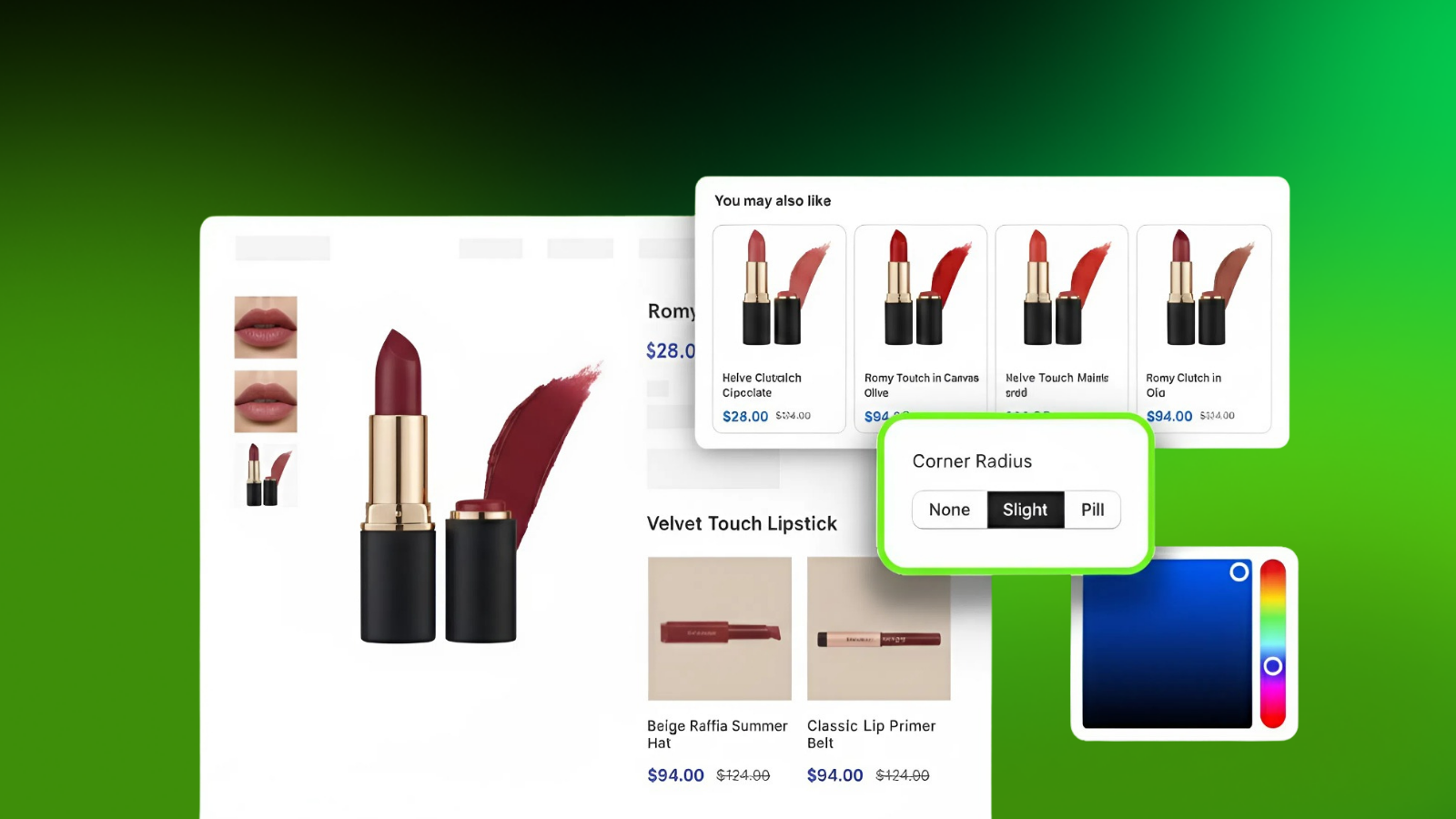
Table of content
In 2026, artificial intelligence is no longer optional in ecommerce. It powers product recommendations, pricing, search results, and customer interactions. From our experience working with online stores, AI has shifted from a competitive advantage to a basic expectation. McKinsey reports that personalized recommendations can drive 10 to 30 percent of revenue, showing how central AI has become to growth.
Shopper behavior has changed as a result. Customers now expect personalized experiences by default. When offers feel relevant and timely, decisions happen faster. When they feel generic, trust drops quickly. AI now directly shapes buying decisions by controlling what shoppers see and how products are presented. It is no longer just supporting the journey. It is influencing the outcome.
I. AI Is Personalizing the Shopping Experience More Than Ever
Before diving into specific technologies, it is important to understand the broader shift taking place. In 2026, personalization is no longer limited to email campaigns or basic segmentation. It operates in real time, shaping what shoppers see, how products are prioritized, and which options feel most relevant from the very first interaction.

1. Smarter Product Recommendations
One of the most visible ways AI is transforming ecommerce in 2026 is through smarter product recommendations. Instead of showing generic “best sellers” or manually selected items, modern AI systems analyze behavior in real time. This includes click patterns, scroll depth, time spent on product pages, cart additions, and even hesitation signals. Based on our implementation experience, real-time recommendation engines consistently outperform static product blocks because they adapt instantly to shopper intent.
AI also processes purchase history and browsing patterns to refine suggestions. For returning customers, the system identifies repeat categories, preferred price ranges, and brand affinities. For new visitors, it uses session-based signals to infer intent within seconds. According to McKinsey, advanced personalization can reduce customer acquisition costs by up to 50 percent while increasing revenue by 5 to 15 percent. In practice, this means shoppers are no longer navigating large catalogs alone. The algorithm narrows choices and highlights what is most relevant, reducing friction and accelerating decisions.
2. Personalized Prices and Bundles
AI-driven personalization in 2026 goes beyond product suggestions. It also influences pricing and bundling strategies. Dynamic pricing models adjust offers based on demand, user behavior, inventory levels, and contextual signals. For example, a high-intent shopper who has revisited the same product multiple times may receive a limited-time incentive, while a value-conscious segment may see bundle discounts designed to increase perceived savings.
Adaptive bundling has become particularly powerful. Instead of offering one fixed combo for all users, AI systems assemble product sets that match individual preferences. A skincare shopper may see a personalized routine bundle, while another user sees a simplified starter set. These context-based offers increase perceived value because they feel curated rather than promotional. From what we have observed across ecommerce stores, personalized bundles often increase Average Order Value without increasing discount dependency, which protects long-term margin health.
3. Predicting What Shoppers Want
Perhaps the most significant shift in 2026 is predictive commerce. AI models no longer wait for explicit search queries. They analyze historical data, behavioral trends, seasonal patterns, and cross-category correlations to anticipate needs before shoppers actively express them. For example, customers who purchase travel-size products may soon see luggage accessories or seasonal travel essentials before searching for them.
Predictive AI reduces cognitive effort by presenting relevant options early in the journey. According to Salesforce, more than 70 percent of consumers expect companies to understand their needs and expectations. When predictive systems function accurately, shoppers perceive the experience as intuitive and efficient. Instead of browsing extensively, they respond to well-timed suggestions. In this environment, AI does not simply react to user input. It proactively shapes the discovery process and influences purchase outcomes.
II. AI Is Changing How Shoppers Search and Compare Products
As personalization improves what shoppers see, AI is also transforming how they search and evaluate options. The traditional keyword-based browsing experience is being replaced by more interactive and intelligent systems that actively guide decision-making. In 2026, discovery is no longer passive. It is conversational, contextual, and increasingly assisted by AI.

1. AI Chatbots as Shopping Assistants
AI chatbots in 2026 are no longer limited to answering basic FAQ questions. They have evolved into intelligent shopping advisors capable of guiding customers through the buying journey. Instead of simply providing policy information, modern AI assistants can:
- Recommend products based on real-time conversation
- Ask clarifying questions to narrow down preferences
- Compare options within a specific budget
- Suggest bundles or upgrades based on user intent
From our observation, conversational interfaces reduce friction because they simulate in-store assistance. Shoppers no longer need to filter manually or open multiple tabs. They can describe what they need in natural language and receive curated recommendations instantly. This shift has fueled the growth of conversational commerce, where dialogue becomes a primary path to conversion rather than traditional navigation menus.
2. Voice and Visual Search
Search behavior itself has evolved. Instead of typing exact keywords, shoppers increasingly rely on voice and image-based search. AI-powered visual recognition allows users to upload a photo and find similar products instantly. Voice search enables natural, conversational queries such as asking for “a minimalist black backpack under 100 dollars for travel.”
These technologies move beyond rigid keyword matching. AI systems now interpret context, intent, and semantic meaning. For example, when a shopper searches for “comfortable office shoes,” the algorithm understands that comfort, professional style, and possibly long-wear usage are key factors. This contextual understanding improves relevance and reduces search frustration.
As a result, product discovery becomes more intuitive. Shoppers spend less time refining queries and more time evaluating relevant options.
3. AI Summaries for Faster Decisions
Decision-making in 2026 is increasingly supported by AI-generated summaries. Instead of reading dozens of reviews, shoppers can rely on automated review highlights that extract common pros, cons, and sentiment patterns. These summaries reduce information overload and help customers identify key decision points quickly.
AI comparison tools also play a growing role. They can automatically compare:
- Features and specifications
- Price differences
- Customer ratings and feedback trends
- Value-for-money positioning
By structuring information clearly, AI reduces cognitive load. According to research from Nielsen Norman Group, users are more likely to abandon complex interfaces when overwhelmed. AI-driven summaries and comparison tools address this issue by simplifying evaluation. In practice, this shortens the consideration phase and increases confidence at checkout. In 2026, AI is not just helping shoppers find products. It is actively shaping how they evaluate and choose between them.
III. AI Is Making Decisions Faster but Raising Expectations
The rapid integration of intelligent systems across ecommerce has reshaped the pace and psychology of online buying. In 2026, shoppers no longer move through a slow, multi-step evaluation process. Decisions are increasingly compressed into shorter, more guided flows. At the same time, this acceleration raises expectations. When recommendations are accurate and timely, conversion improves. When they miss the mark, disappointment happens just as quickly.
1. Shorter Decision Cycles
AI has significantly reduced the time shoppers need to make purchasing decisions. With real-time recommendations, predictive suggestions, and automated comparisons, customers move from discovery to checkout much faster than in previous years. Instead of browsing multiple pages or conducting external research, much of the evaluation now happens within a single, AI-optimized flow.
This shift has a direct impact on performance metrics:
- Reduced consideration time per session
- Higher click-through rates on recommended products
- Faster add-to-cart actions
- Improved overall conversion rates
From what we have observed in ecommerce implementations, when AI recommendations align closely with intent, shoppers skip several traditional evaluation steps. However, this speed also increases pressure on brands to deliver accurate and relevant suggestions immediately.
2. Higher Expectations for Personalization
As AI-driven experiences become standard, personalization is no longer seen as a premium feature. It is expected. Shoppers assume that ecommerce platforms understand their preferences, budget range, and browsing habits from the first interaction.
This shift creates new challenges:
- Generic product blocks feel outdated
- Irrelevant recommendations reduce trust quickly
- Poor timing can cause immediate disengagement
When personalization is missing or inaccurate, the gap between expectation and experience becomes highly visible. According to Salesforce research, the majority of consumers expect brands to anticipate their needs. In 2026, failing to personalize does not simply reduce optimization potential. It weakens perceived brand intelligence.

3. Growing Trust in AI Recommendations
AI systems are increasingly seen as decision authorities. Many shoppers trust algorithm-driven suggestions in the same way they once relied on curated “staff picks” or expert reviews. When recommendations are consistently relevant, customers begin to delegate part of the decision process to the system itself.
However, this growing trust introduces new complexities:
- Overreliance on algorithms can reduce independent comparison
- Biased or inaccurate recommendations can damage credibility
- Lack of transparency may create skepticism among informed buyers
Brands must balance intelligent automation with clarity. When shoppers understand why a product is recommended, trust strengthens. When AI operates as a black box, confidence may decline. In 2026, the most successful ecommerce experiences are those that combine speed, relevance, and transparency in a balanced way.
IV. What Ecommerce Brands Must Do in 2026
In this new AI-driven landscape, revenue growth must become more intelligent and behavior-aware. One of the most immediate and measurable areas where brands can apply AI strategically is in upselling and cross-selling. When executed with real-time data and contextual logic, these techniques shift from simple sales tactics to powerful revenue optimization systems.

1. Implement AI-Driven Upselling and Cross-Selling
In 2026, upselling and cross-selling can no longer rely on static product blocks or manual rules alone. Brands must implement AI-driven systems that respond to real-time shopper behavior. Instead of showing the same offer to every visitor, intelligent systems trigger recommendations based on live signals such as:
- Products viewed multiple times
- Cart value thresholds
- Browsing frequency
- Purchase history
- Exit intent behavior
Real-time personalization logic ensures that offers are relevant to the shopper’s current context. For example, a first-time buyer may see low-risk add-ons, while a returning customer may receive a premium upgrade suggestion. From our implementation experience, behavior-triggered upsells consistently outperform generic popups because they align with intent rather than interrupt it. In 2026, upselling must feel like guidance, not pressure.
2. Build a Strong First-Party Data Strategy
As AI becomes central to ecommerce performance, first-party data becomes critical infrastructure. Brands can no longer depend heavily on third-party tracking due to privacy regulations and browser restrictions. Instead, they must collect and structure their own customer data responsibly.
A strong first-party data strategy includes:
- Tracking behavioral events across the customer journey
- Maintaining clear consent and compliance with data regulations
- Segmenting users based on lifecycle stage and intent
- Ensuring data accuracy and system integration
Ethical AI usage is equally important. Customers expect transparency about how their data is used. When brands communicate clearly and respect privacy boundaries, trust increases. When data usage feels invasive or unclear, long-term loyalty declines. In 2026, AI performance and data responsibility are inseparable.
3. Combine Automation with Human Experience
Although AI powers much of the ecommerce journey, it cannot replace brand identity or emotional connection. Automation enhances efficiency, but it should not eliminate the human element that differentiates one brand from another.
Successful brands maintain balance by:
- Using AI to optimize recommendations and workflows
- Preserving authentic brand voice in messaging
- Designing experiences that feel helpful rather than mechanical
- Ensuring customer support includes human escalation when needed
From what we have observed, the strongest ecommerce brands in 2026 use AI to handle scale and personalization while maintaining emotional resonance through storytelling, community, and brand positioning. AI should amplify the brand experience, not standardize it.
V. How Zotasell’s AI Upsell Technology Supports Modern Ecommerce Brands
AI has become deeply embedded in ecommerce infrastructure, which means merchants now need systems that turn intelligence into measurable revenue impact. Zotasell’s AI upsell technology is built to support brands at different growth stages, from small businesses to enterprise operations. The focus is not just automation, but structured personalization that drives consistent AOV growth.

1. AI Upsell for SMB Stores
For small and medium-sized businesses, technical complexity is often the biggest obstacle. Zotasell removes this barrier through a no-code setup that allows merchants to launch behavior-based upsells quickly.
Core capabilities include:
- No-code implementation with intuitive configuration
- Real-time behavior tracking based on browsing and cart activity
- Smart placement in cart drawer, checkout, and product pages
- Automated suggestions using session data and purchase history
The result is improved Average Order Value without increasing advertising spend. Revenue grows through smarter optimization rather than heavier traffic investment.
2. Scalable AI for Growing Brands
Growth brings complexity. More traffic, more segments, and higher marketing costs require more advanced personalization logic. Zotasell supports scaling brands through a structured and flexible system.
Key features include:
- Automated behavioral segmentation across lifecycle stages
- Hybrid rule-based and AI-driven recommendation logic
- Built-in A/B testing to refine placement and messaging
- Performance tracking tied to segment-level results
This approach improves CAC to LTV efficiency by extracting more value from existing customers instead of relying solely on new acquisition.
3. Enterprise-Level Personalization Infrastructure
Enterprise brands operate with large data volumes and multi-layered customer segments. Zotasell’s framework is designed to handle this scale while maintaining performance stability and clarity.
Advanced capabilities include:
- Large-scale real-time behavioral data processing
- Advanced conditional logic for complex segmentation
- Segment-based performance dashboards
- Structured deployment with measurable revenue attribution
This allows enterprise teams to implement upselling as an integrated growth system rather than a collection of isolated campaigns.
4. Why AI Upsell Matters in 2026
Personalization has become an expectation rather than a differentiator. At the same time, traffic acquisition costs continue to rise across most ecommerce industries. This shift makes Average Order Value optimization a core revenue lever.
Modern AI upselling now functions as:
- A real-time personalization engine
- A margin-protection strategy
- A scalable revenue optimization framework
- A structured alternative to heavy discounting
When implemented strategically, AI upsell technology moves beyond simple pop-ups. It becomes a long-term revenue system that supports sustainable growth and measurable profitability.
VII. Afterthought
AI is no longer just influencing how shoppers discover products. It is shaping how decisions are structured, prioritized, and completed. In 2026, algorithms determine what customers see first, which products feel relevant, and how value is perceived. At the same time, businesses are redesigning their growth strategies around automation, personalization, and data intelligence. The shift is clear. Commerce is moving from manual selling tactics to AI-driven growth systems that operate continuously in the background.
Brands that recognize this transformation early build a structural advantage. They optimize Average Order Value instead of relying only on traffic growth. They use behavioral data to refine experiences rather than guess what customers want. Most importantly, they treat AI not as a short-term tool, but as long-term infrastructure. In this new landscape, the companies that integrate intelligent systems thoughtfully and responsibly will define the next phase of ecommerce growth.

Join in our newsletter
Need more detail?
Access our Help Center & Resources to learn how Zotasell works, explore use cases, and share with your team.